Under-19 Cricket World Cup 2026 Host & Venues | Full Details
ICC U19 Men’s Cricket World Cup 2026
Host Countries: Zimbabwe & Namibia | Jan – Feb 2026
🇿🇼 Zimbabwe Venues
- Harare Sports Club, Harare
- Old Hararians, Harare
- Bulawayo Athletic Club, Bulawayo
- Queens Sports Club, Bulawayo
🇳🇦 Namibia Venues
- United Cricket Ground, Windhoek
- Wanderers Cricket Ground, Windhoek
Format
4 Groups / Super Six
Defending Champ
Won 2024 Edition
Most Titles
5-Time Winners
ICC Under-19 Cricket World Cup 2026 Overview
The ICC Under-19 Cricket World Cup 2026 is one of the most anticipated global cricket tournaments for young talent, bringing together the finest under-19 players from across the world. This tournament has consistently served as the first major international platform for future cricket superstars, offering them the opportunity to perform under pressure and gain global recognition at an early stage of their careers.
The 2026 edition is expected to continue this tradition while also highlighting the International Cricket Council’s commitment to expanding the game into developing cricket regions. With strong participation, competitive fixtures, and worldwide broadcast coverage, the tournament will play a key role in shaping the next generation of international cricketers.
Host Countries of Under-19 Cricket World Cup 2026
The ICC has officially announced Zimbabwe and Namibia as the joint host countries for the Under-19 Cricket World Cup 2026. This decision marks a historic moment for African cricket, as two emerging cricket nations will collectively host one of the ICC’s most prestigious youth tournaments.
Joint hosting allows both nations to share responsibilities while showcasing their cricketing infrastructure, administrative capabilities, and growing fan base. It also reinforces Africa’s rising importance in the global cricket ecosystem.
Importance of Joint Hosting in African Cricket
The joint hosting of the Under-19 World Cup 2026 by Zimbabwe and Namibia represents a strategic move by the ICC to promote cricket development across Africa. Both countries have shown consistent improvement in domestic cricket structures and have successfully hosted international events in recent years.
This collaboration not only reduces logistical pressure but also provides equal exposure to cricket fans in both nations, strengthening regional cooperation and encouraging youth participation across southern Africa.
Why Zimbabwe Was Selected as a Host Nation
Zimbabwe’s selection as a host country is based on its long-standing cricketing history and experience in organizing international tournaments. The country has hosted ICC events, bilateral series, and domestic competitions that meet global standards.
Zimbabwe’s cricket venues are well-known for producing competitive pitches that challenge both batsmen and bowlers. These conditions are ideal for under-19 players, helping them develop adaptability and technical discipline.
Why Namibia Was Chosen as a Co-Host
Namibia’s rapid growth in international cricket played a major role in its selection as a co-host for the Under-19 World Cup 2026. The nation has invested significantly in infrastructure, coaching, and grassroots development over the past decade.
Hosting an ICC youth event further strengthens Namibia’s position as a rising cricket nation and provides invaluable exposure to young local players, administrators, and fans.
Venues for Under-19 Cricket World Cup 2026
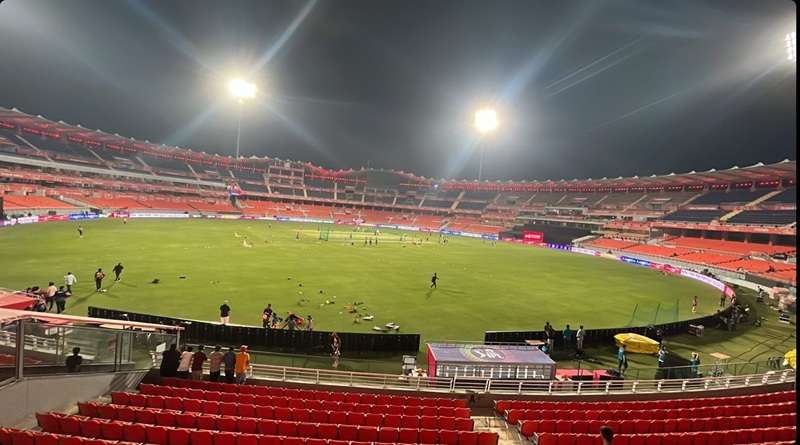
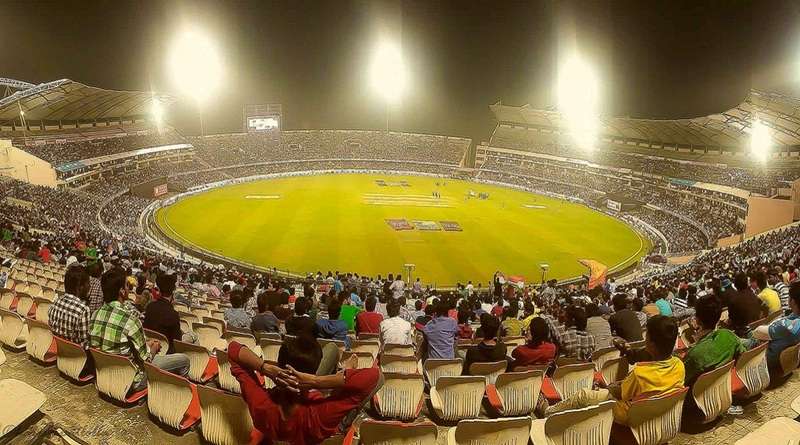
The Under-19 Cricket World Cup 2026 will be played across multiple international-standard venues in Zimbabwe and Namibia. These venues have been carefully selected to ensure high-quality playing surfaces, modern facilities, and smooth tournament operations.
Each stadium will host multiple matches, including group-stage fixtures and knockout games, ensuring balanced distribution of high-profile encounters across both countries.
Cricket Venues in Zimbabwe
Zimbabwe’s venues are expected to play a central role in the tournament, offering a mix of traditional cricket grounds and modern facilities. These stadiums have previously hosted international matches and are known for their reliable pitch behavior and crowd-friendly layouts.
The venues provide excellent training areas, dressing rooms, and media facilities, ensuring a professional environment for young cricketers competing on the world stage.
Cricket Venues in Namibia
Namibia’s cricket venues have gained international recognition in recent years due to the country’s participation in ICC events. The grounds are known for their well-maintained outfields and competitive pitches that often assist fast bowlers early in matches.
These venues will offer young players exposure to slightly different playing conditions, adding variety and challenge to the tournament.
Pitch and Playing Conditions
The playing conditions during the Under-19 World Cup 2026 are expected to provide a balanced contest between bat and ball. Early movement for seamers, consistent bounce, and later assistance for spinners will test all aspects of a team’s skill set.
Such conditions are ideal for under-19 cricketers, as they promote technical growth and strategic thinking rather than one-dimensional gameplay.
Impact of African Conditions on Young Players
Competing in African conditions will challenge young cricketers to adapt quickly to pace, bounce, and changing weather patterns. These experiences are invaluable in preparing players for future international tours and multi-format careers.
The exposure will particularly benefit teams from Asia and Europe, who may not regularly encounter such playing environments at the youth level.
Role of the Tournament in Player Development
The Under-19 Cricket World Cup is widely regarded as the most important development tournament in world cricket. Many legendary players began their international journeys by performing at this level, and the 2026 edition is expected to uncover several future stars.
Selectors, coaches, and franchise scouts closely follow performances during the tournament, making it a crucial stepping stone for young cricketers.
Global Attention and Media Coverage
The Under-19 World Cup 2026 will receive extensive global media coverage, with matches broadcast across multiple platforms. Digital streaming, social media highlights, and expert analysis will ensure widespread visibility for players and host nations.
This global exposure not only benefits players but also enhances the international reputation of Zimbabwe and Namibia as capable cricket hosts.
Fan Experience at the Host Venues
Fans attending matches in Zimbabwe and Namibia can expect an engaging and welcoming atmosphere. The venues are designed to provide comfortable seating, clear sightlines, and easy access for spectators.
Local fan enthusiasm, combined with visiting supporters, is expected to create a vibrant cricketing environment throughout the tournament.
Economic and Tourism Impact
Hosting the Under-19 Cricket World Cup 2026 is expected to generate positive economic impact for both Zimbabwe and Namibia. Increased tourism, hospitality demand, and local employment opportunities will benefit the host regions.
The tournament also provides an opportunity to showcase local culture, heritage, and tourism destinations to a global audience.
Legacy of the Under-19 World Cup 2026
The legacy of the Under-19 Cricket World Cup 2026 will extend far beyond the final match. Improved infrastructure, enhanced coaching systems, and increased youth participation will continue to benefit African cricket for years to come.
The experience gained by administrators and volunteers will also strengthen future event-hosting capabilities in the region.
Under-19 World Cup 2026
The ICC Under-19 Cricket World Cup 2026, jointly hosted by Zimbabwe and Namibia, stands as a landmark event in youth cricket history. With quality venues, challenging playing conditions, and global participation, the tournament promises competitive cricket and unforgettable moments.
As the world watches the next generation of cricket stars emerge, the host nations will play a crucial role in shaping the future of the sport, leaving a lasting impact on players, fans, and international cricket development.