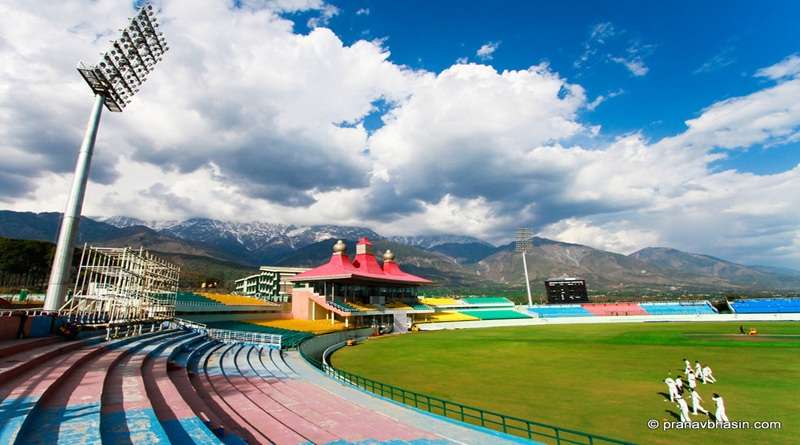
Pallekele International Cricket Stadium Pitch Report, 2026 — Kandy, Sri Lanka
The Pallekele International Cricket Stadium in Kandy, Sri Lanka, is one of the premier venues for international cricket and a key location in global tournaments like the T20 World Cup 2026. Situated amidst lush green landscapes and cooler hill-country climate, Pallekele offers a uniquely challenging playing surface for both batters and bowlers. The pitch characteristics often vary depending on weather, turf preparation, and match format, making it essential for teams to understand conditions before strategizing. Pallekele has hosted numerous memorable matches, producing balanced contests where both batting firepower and bowling skill matter. Whether it’s a high-scoring encounter or a tactical bowling duel, this stadium frequently delivers exciting cricket. This detailed pitch report will help fans and teams understand how the surface behaves, which strategies have worked in the past, and what to expect during upcoming matches in the T20 World Cup 2026.
General Pitch Characteristics at Pallekele

The pitch at Pallekele International Cricket Stadium traditionally offers a balanced contest between bat and ball. Early in the day, the surface tends to be firm and true, allowing batters to time the ball cleanly. As the game progresses, especially in day-night matches, the pitch may offer variable bounce and turn that can assist spinners. Seam bowlers often benefit during initial overs due to the pitch’s slight movement and cooler atmospheric conditions in Kandy. Overall, the surface is considered fair, favoring teams with strong all-round capabilities. However, the pitch can sometimes slow down in the latter half of an innings, requiring batters to adjust their timing and shot selection to maintain momentum. Understanding these characteristics helps teams plan batting orders and bowling rotations effectively.
Batting Conditions and Strategy
Batting at Pallekele requires adaptability. Early overs usually provide good value for aggressive stroke play, particularly against fast bowlers who may start with probing lines. Powerplay success often depends on how quickly openers can exploit field restrictions without losing early wickets. Batters who rotate the strike consistently, find gaps, and accelerate between overs tend to dominate here. While boundaries are available, calculated risk-taking is critical because the pitch can slow down slightly as the game progresses, making timing more essential than pure power hitting. Middle-order batters who can accelerate without losing rhythm have historically made significant contributions in matches at this venue. With dew often becoming a factor in evening games, batters may prefer finishing innings strongly once conditions become easier to score on.
Bowling Conditions and Tips for Success
Bowlers who understand Pallekele’s subtle variations often find success. Fast bowlers benefit from executing good line and length early in the innings, especially under morning or early-afternoon conditions. Swing bowlers can exploit movement off the surface and in the air, making early breakthroughs possible. During middle overs, spinners often play a key role, using variations and subtle turns to restrict scoring. Change bowlers who mix arm balls and flighted deliveries tend to trouble batters as the pitch slightly slows down. In evening games where dew becomes significant, bowlers must adjust strategies by focusing on variations, yorkers, and slower balls to stay effective. Tactical field placements also help support bowling plans, particularly when bowlers aim to create pressure through dot balls and wickets at crucial junctures.
Historical Trends and Match Outcomes
Historical matches at Pallekele show mixed results, with both high-scoring chases and tight bowling contests. Teams that build partnerships and rotate strike effectively often post competitive totals. Conversely, disciplined bowling units that maintain line and length have restricted strong batting sides in previous tournaments. Dew in late-evening matches has sometimes favored chasing teams, as batters find it easier to score during the latter half of the innings. Bowlers who vary pace and maintain accuracy have been successful in limiting run rates. These trends provide strategic cues for teams preparing for upcoming T20 World Cup 2026 matches at this venue. Analysing past performances and adapting accordingly can give teams a competitive edge.
Weather and External Factors Affecting Play
Kandy’s weather plays a major role in how matches unfold at Pallekele. The region can experience sudden showers, particularly during monsoon periods, which may interrupt play or affect pitch behavior. Cloud cover can assist swing bowlers early on, while dry conditions may help spin later. Humidity levels and dew buildup during evening games influence how the ball behaves, often making it easier for batters to time shots in the second innings. Captains frequently monitor weather forecasts and toss outcomes carefully, as these factors directly impact team strategy. Understanding external elements helps teams decide whether to bat or bowl first, which bowlers to deploy, and how aggressively to chase targets.
Team Strategies for Success at Pallekele
Successful teams at Pallekele usually adopt a flexible approach that adapts to changing conditions. Winning the toss and choosing to bat first can be advantageous on dry days with minimal dew. Teams aim to capitalize on powerplay overs and post a strong total early. Conversely, bowling first under cloudy conditions may help swing bowlers make early inroads. Spinners often play a significant role during middle overs, cutting down scoring rates and building pressure. Fielding units that stay alert and disciplined tend to save crucial runs and create additional wicket opportunities through outfield pressure and agile catching. These strategic elements remain essential for teams aiming to dominate at this venue during the T20 World Cup 2026.
Recent Performance Insights from VijayHazareTrophy Data
Recent match data from the VijayHazareTrophy platform provides valuable insights into how Pallekele behaves in competitive cricket. Detailed live score tracking and performance records show that balanced teams with strong middle-order depth often fare better on this surface. Batters who can rotate strike and score consistently find more success than those relying solely on big hits. Bowlers who adapt quickly by mixing variations and adjusting lengths maintain better economy rates. Fielding data also indicates that teams with higher catching efficiency and lower error rates tend to restrict opponents more effectively. These trends from the VijayHazareTrophy platform help analysts and fans understand tactical nuances that influence matches at Pallekele.
Match Preparation Tips for Teams at Pallekele
Teams preparing to play at Pallekele should prioritize flexible batting strategies and varied bowling plans. Early-session empowerment for batters allows for exploiting field restrictions, while bowlers must focus on maintaining tight lines to build pressure. Spinners need to read pitch behavior quickly and adjust their deliveries accordingly. Fielding drills that emphasize reaction time and catching under pressure can create significant advantages. Captains should also consider weather conditions and choose playing XIs that adapt well to potential dew or cloud cover. Analysis from platforms like VijayHazareTrophy offers real-time insights, enabling teams to fine-tune strategies ahead of match day. Preparation that emphasizes adaptability and execution has historically yielded positive results at this venue.
FAQs – Pallekele International Cricket Stadium Pitch Report
1. What type of pitch is at Pallekele International Cricket Stadium?
The pitch at Pallekele is generally balanced, offering opportunities for both batters and bowlers. It usually remains firm early, aiding stroke play, while later assistance for spin helps control scoring. Teams adapt strategies based on match timing and weather.
2. Does the pitch support fast bowlers or spinners more?
Fast bowlers benefit early with movement and swing due to atmospheric conditions, while spinners often play a key role in middle overs as the pitch slows down. Tactical bowling variations make the difference.
3. How does dew affect matches at Pallekele?
Dew buildup during evening games makes the ball harder to grip, favoring batters in the second innings. Bowlers must use yorkers and slower deliveries to stay effective in such conditions.
4. Is Pallekele a high-scoring venue?
It can be high scoring if batters adapt quickly to early pitch behavior. Balanced conditions combined with aggressive batting can produce competitive totals, especially with skillful finishers in the lineup.
5. What strategies help teams succeed here?
Successful strategies include maximizing powerplay overs, spinning in middle phases to stop scoring, and accurate death overs. Flexible batting orders and strong fielding also contribute to winning performances.
6. How important is weather at Pallekele?
Weather plays a significant role. Cloud cover helps swing bowlers, while dry conditions assist spin. Sudden showers can interrupt play, making weather forecasts an important part of strategic planning.
7. What role does fielding play at this venue?
Fielding significantly impacts match dynamics. Athletic saves, direct-hit run-outs, and catches under pressure help teams maintain momentum and prevent high totals.
8. Can batting first be advantageous at Pallekele?
Yes, batting first is beneficial in dry conditions with minimal dew, allowing teams to set a strong total. However, chasing can be advantageous if dew develops, making scoring easier in the second innings.