Vijay Hazare Trophy 2025–26 Season Records Overview
Vijay Hazare Trophy 2025-26 Records Last Updated: January 11, 2026 (Knockout Stage) 🏏 Top Run Scorers Player Team Runs Devdutt
Read More
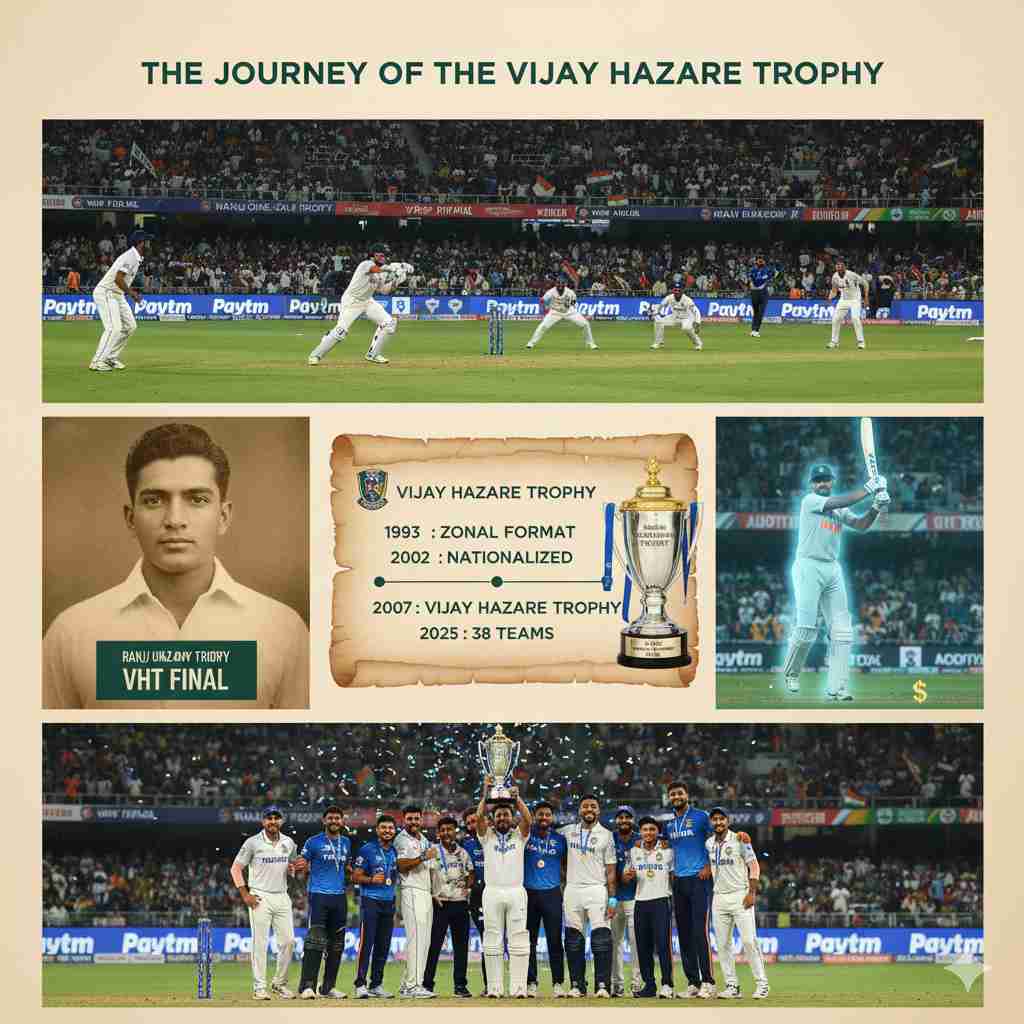
Let’s learn all about the Vijay Hazare Trophy—its history, format, teams, and iconic records. The Vijay Hazare Trophy is India’s premier domestic one-day cricket tournament and a vital pillar of the country’s white-ball structure. Introduced in the 2002–03 season, it replaced the earlier Ranji One-Day Trophy and brought a unified national format to domestic ODI cricket. Over the years, the Vijay Hazare Trophy has evolved in structure, competitiveness, and tactical depth. It has showcased iconic performances, record-breaking innings, and memorable bowling spells while also nurturing underdog stories. The tournament has played a crucial role in identifying future international players and IPL stars. With innovations like the VJD Method, modern scoring trends, and improved financial incentives, the Vijay Hazare Trophy continues to adapt to contemporary cricket. Overall, it represents a perfect blend of tradition, development, and high-performance domestic competition in Indian cricket.
The Vijay Hajare Trophy stands as one of the most important domestic one-day cricket tournaments in India. It plays a key role in shaping limited-overs talent across the country. Moreover, the competition bridges the gap between domestic cricket and the international stage. Since its inception, the Vijay Hajare Trophy has offered players a structured platform to perform under pressure.
Additionally, the tournament mirrors international ODI standards. Therefore, selectors closely track performances here. Teams from across India participate, which further increases competition quality. As a result, consistent performers often earn national recognition.
Furthermore, the Vijay Hajare Trophy helps teams test strategies, combinations, and emerging players. It also prepares cricketers for modern white-ball cricket demands. Overall, the tournament continues to influence India’s cricketing depth while maintaining strong competitive integrity year after year.
Vijay Hazare was one of India’s finest early cricketers. His contribution to Indian cricket laid the foundation for future generations. Because of his impact, the Vijay Hajare Trophy proudly carries his name. He represented India with distinction during an era when international opportunities were limited.
Moreover, Vijay Hazare excelled as a technically sound batsman. He displayed consistency, discipline, and leadership throughout his career. Therefore, Indian cricket authorities chose to honor his legacy through this prestigious tournament.
In addition, the Vijay Hajare Trophy reflects the values he stood for. These include resilience, sportsmanship, and tactical awareness. As a result, young players competing in the tournament carry forward his spirit. Thus, the competition remains deeply connected to Indian cricket history and tradition.
Before the Vijay Hajare Trophy emerged, India hosted the Ranji One-Day Trophy. During this phase, domestic one-day cricket lacked a unified national structure. However, the competition still helped teams adapt to limited-overs formats.
Moreover, the Ranji One-Day Trophy acted as a testing ground for tactical cricket. Yet, it remained region-focused rather than nationally streamlined. As cricket evolved, administrators realized the need for change. Consequently, discussions around a broader tournament gained momentum.
Eventually, the Vijay Hajare Trophy replaced the older system. This transition allowed better scheduling and improved competitiveness. Therefore, the shift marked a turning point in Indian domestic cricket. It helped align domestic standards with international expectations more effectively.
The 2002–03 season marked the official launch of the Vijay Hajare Trophy. This strategic move transformed domestic one-day cricket in India. Instead of zonal focus, the tournament adopted a national structure. As a result, competition intensity increased significantly.
Furthermore, the Vijay Hajare Trophy allowed fair exposure to all teams. Selectors could now compare performances across regions more accurately. Consequently, talent identification became more efficient.
Additionally, the new format improved match quality and audience interest. Teams began preparing specifically for white-ball cricket. Therefore, the tournament quickly gained prestige. Over time, it became a core pillar of India’s domestic cricket ecosystem.
The Vijay Hajare Trophy format has evolved steadily over the years. Initially, teams competed in zonal groups. However, administrators later introduced elite and plate divisions. This change ensured balanced competition.
Moreover, the revised structure rewarded consistent performance. Strong teams advanced, while developing teams gained experience. As a result, the overall quality improved.
Additionally, knockout stages added pressure situations. These matches tested temperament and strategy. Therefore, players gained valuable exposure. The Vijay Hajare Trophy now reflects modern tournament design. It balances fairness, competitiveness, and development. Hence, its format continues to support Indian cricket’s long-term goals.
The 2004–05 Vijay Hajare Trophy final remains historic. The match ended in a rare tie, leading to shared champions. Both teams displayed exceptional skill and composure. Consequently, the result highlighted cricket’s unpredictability.
Moreover, the tied final showcased high-pressure performance. Players adapted quickly and executed plans effectively. Therefore, the match gained legendary status in domestic cricket history.
Additionally, the Vijay Hajare Trophy benefited from the attention this final received. It strengthened the tournament’s reputation. Fans appreciated the competitive balance. As a result, the shared victory symbolized mutual excellence rather than failure.
From 2002 to 2010, the Vijay Hajare Trophy produced diverse champions. Different teams dominated different seasons. This variation proved the tournament’s competitiveness.
Moreover, successful teams relied on strong batting depth and disciplined bowling. Consistency played a vital role. Therefore, champions often emerged from balanced squads.
Additionally, the Vijay Hajare Trophy during this period produced future international players. Performances here influenced national selection. As a result, the tournament gained credibility among selectors and fans. These early years laid a strong foundation for its continued success.
Between 2011 and 2020, the Vijay Hajare Trophy entered a phase of consistent dominance by well-structured teams. During this decade, strong domestic systems began producing repeat champions. Moreover, teams focused heavily on fitness, analytics, and role clarity. As a result, match quality improved significantly.
Additionally, the Vijay Hajare Trophy during this period saw higher scoring games. Batters adapted to aggressive ODI styles. Meanwhile, bowlers refined variations and death-over skills. Therefore, matches became more competitive and tactical.
Furthermore, teams with strong bench strength performed better across long seasons. This decade also produced several future international stars. Consequently, selectors treated the tournament as a serious talent pipeline. Overall, the 2011–2020 phase strengthened the tournament’s identity and consistency.
From 2021 onward, the Vijay Hajare Trophy reflected modern white-ball cricket trends. Teams embraced fearless batting and flexible bowling plans. Moreover, young players gained leadership roles earlier than before. This shift changed team dynamics significantly.
Additionally, bio-bubble seasons tested mental strength. However, players adapted quickly. As a result, competition intensity remained high. The Vijay Hajare Trophy also benefited from improved broadcasting and digital coverage during this period.
Furthermore, state teams invested in data-driven selection. Therefore, performances became more consistent. Several uncapped players delivered match-winning efforts. Consequently, the tournament continued to influence national selection debates. The contemporary era highlights evolution, adaptability, and sustained competitiveness.
The 2025–26 Vijay Hajare Trophy season marked a phase of renewal and experimentation. Several senior players returned to domestic cricket. Their presence added experience and stability. Meanwhile, young talents brought fearless energy.
Moreover, teams experimented with batting orders and bowling rotations. As a result, match strategies evolved rapidly. The Vijay Hajare Trophy also witnessed multiple individual records during this season. High strike rates and efficient spells became common.
Additionally, improved pitches encouraged attacking cricket. However, disciplined bowling still decided crucial matches. Therefore, balance remained essential. The 2025–26 season symbolized transition, blending experience with innovation. It reaffirmed the tournament’s relevance in modern Indian cricket.
Administrative leadership has played a crucial role in shaping the Vijay Hajare Trophy. Each BCCI president introduced structural improvements over time. Moreover, leadership decisions influenced scheduling, format, and exposure.
Additionally, investments in domestic infrastructure strengthened the tournament’s foundation. Presidents prioritized competitive balance and player welfare. Therefore, teams benefited from improved planning and resources.
Furthermore, leadership ensured alignment with international ODI standards. As a result, the Vijay Hajare Trophy maintained relevance across generations. Administrative vision helped the tournament grow steadily. Thus, leadership continuity supported long-term success and credibility.
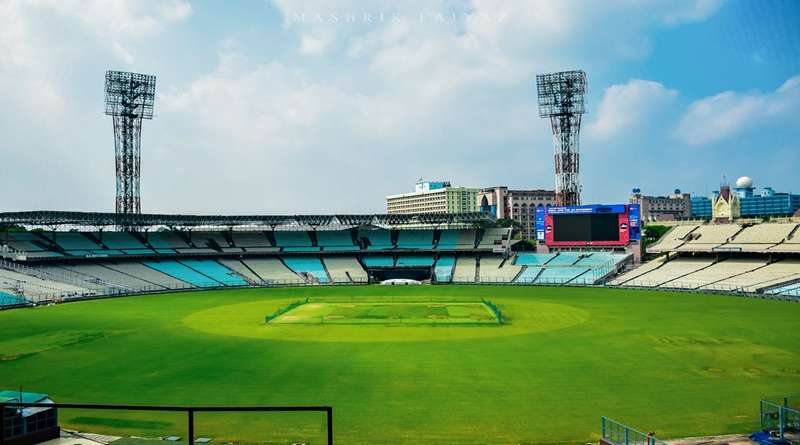
Several iconic stadiums have hosted memorable Vijay Hajare Trophy matches. These venues provided competitive surfaces and vibrant atmospheres. Moreover, grounds like Mumbai, Bengaluru, and Indore witnessed historic performances.
Additionally, stadium conditions influenced match strategies. Batting-friendly pitches encouraged aggressive play. Meanwhile, slower surfaces rewarded smart bowling. Therefore, teams adapted quickly to venue-specific challenges.
Furthermore, the Vijay Hajare Trophy benefited from widespread geographic hosting. This exposure helped regional fan engagement. As a result, the tournament reached diverse audiences. Iconic stadiums added prestige and unforgettable moments to its history.
Batting performances have defined many Vijay Hajare Trophy seasons. Several players delivered record-breaking innings under pressure. Moreover, high scores often came in crucial knockout matches.
Additionally, batters showcased adaptability against different bowling attacks. They combined patience with aggression effectively. Therefore, these innings stood out statistically and contextually.
Furthermore, the Vijay Hajare Trophy rewarded consistency as much as explosiveness. Many top scorers maintained form across seasons. As a result, their performances influenced team success. These innings remain benchmarks for domestic batting excellence. All About Vijay Hazare Trophy | History, Format & Teams
Bowling has played a decisive role in the Vijay Hajare Trophy. Several matches turned due to disciplined spells. Moreover, bowlers mastered swing, seam, and variations effectively.
Additionally, pressure situations highlighted bowling intelligence. Players controlled run flow and took timely wickets. Therefore, these spells changed match momentum.
Furthermore, the Vijay Hajare Trophy produced bowlers who later succeeded internationally. Their domestic performances built confidence and skill. As a result, bowling masterclasses became as celebrated as batting feats.
Underdog teams have scripted memorable stories in the Vijay Hajare Trophy. Smaller teams often challenged established sides. Moreover, fearless cricket helped them bridge experience gaps.
Additionally, these teams relied on discipline and teamwork. Individual brilliance combined with smart planning. Therefore, unexpected victories became possible.
Furthermore, the Vijay Hajare Trophy provided equal opportunity across teams. This structure encouraged belief and competitiveness. As a result, underdog success stories inspired future participants. These moments reinforced the tournament’s inclusive and competitive spirit.
The Vijay Hajare Trophy has witnessed a dramatic tactical evolution over the years. Earlier, teams considered 250 a competitive total. However, modern strategies have pushed scores beyond 350 and even 400. This shift reflects changing batting mindsets.
Moreover, power-hitting and strike rotation now go hand in hand. Teams prioritize aggressive starts without losing wickets. As a result, middle overs also produce higher run rates.All About Vijay Hazare Trophy | History, Format & Teams
Additionally, the Vijay Hajare Trophy has seen bowlers adapt tactically. Variations, defensive fields, and matchup-based bowling have become common. Therefore, captains rely heavily on data-driven decisions. This tactical growth mirrors international ODI trends and continues to reshape domestic white-ball cricket in India.
The Vijay Hajare Trophy uses the VJD Method to manage rain-affected matches. Unlike international rules, this system suits Indian domestic conditions. Moreover, it ensures fair results when interruptions occur.
Additionally, the VJD Method recalculates targets based on available resources. Teams receive realistic revised scores. As a result, matches remain competitive despite weather disruptions.
Furthermore, players and coaches understand this method well. Therefore, strategy changes quickly during shortened games. The Vijay Hajare Trophy benefits from this clarity and consistency. The rule has reduced controversies and improved match outcomes. Overall, the VJD Method strengthens fairness and maintains tournament integrity. Know All About Vijay Hazare Trophy | History, Format & Teams
The Vijay Hajare Trophy plays a crucial role in IPL scouting. Franchise scouts closely monitor performances during the tournament. Moreover, strong domestic displays often lead to IPL contracts.
Additionally, the format mirrors IPL-style pressure situations. Players learn to perform under expectations. As a result, selectors identify adaptable talent quickly.
Furthermore, the Vijay Hajare Trophy highlights all-round skills. Batting strike rates, bowling control, and fielding standards matter equally. Therefore, IPL teams value consistent performers from this platform. The tournament continues to serve as a launchpad for India’s next generation of white-ball stars. More All About Vijay Hazare Trophy | History, Format & Teams.
Financial incentives have increased the importance of the Vijay Hajare Trophy. Prize money rewards team success and individual effort. Moreover, match fees provide stability for domestic players.
Additionally, strong performances improve contract prospects. Players secure state retainers and sponsorships. As a result, motivation levels remain high throughout the season.
Furthermore, the Vijay Hajare Trophy contributes to professionalizing domestic cricket. Financial security allows players to focus on performance. Therefore, the tournament supports sustainable careers. These rewards strengthen competitiveness and elevate overall playing standards.
The Vijay Hajare Trophy remains a cornerstone of Indian domestic cricket. It blends history, competition, and opportunity into one platform. Moreover, it continues to evolve with modern cricket demands.
Additionally, the tournament shapes future internationals and strengthens state teams. Its structure promotes fairness and competitiveness. As a result, players grow technically and mentally.
Furthermore, the Vijay Hajare Trophy honors cricketing heritage while embracing innovation. It connects generations through performance and progress. Therefore, its legacy endures as a symbol of India’s white-ball excellence and domestic strength.
Vijay Hazare Trophy 2025-26 Records Last Updated: January 11, 2026 (Knockout Stage) 🏏 Top Run Scorers Player Team Runs Devdutt
Read More