New Zealand Tour of India 2026 Schedule
New Zealand Tour of India 2026: Complete Match Schedule, Venues, Teams and Series Preview The New Zealand tour of India
Read More
A record of the most prestigious recurring series in Test and ODI cricket.
| Trophy Name | Teams | Format | Current Holder (Jan 2026) | History/Origin |
|---|---|---|---|---|
| The Ashes | England vs Australia | Test | Australia (2023) | Oldest rivalry; originated from an 1882 “obituary” of English cricket. |
| Border-Gavaskar Trophy | India vs Australia | Test | Australia (2024–25) | Named after legends Allan Border and Sunil Gavaskar; started in 1996. |
| Freedom Trophy | India vs South Africa | Test | Drawn (Shared, 2023–24) | Dedicated to Gandhi and Mandela; established in 2015. |
| Pataudi Trophy | India vs England (in ENG) | Test | India (2025) | Honors the Pataudi family; specifically for series played in England. |
| Anthony de Mello Trophy | India vs England (in IND) | Test | India (2024) | Named after a BCCI founder; specifically for series played in India. |
| Frank Worrell Trophy | West Indies vs Australia | Test | Australia (2024) | Honors the first Black captain of the West Indies. |
| Trans-Tasman Trophy | Australia vs New Zealand | Test | Australia (2024) | Named after the Tasman Sea separating the two rival nations. |
| Warne-Muralitharan Trophy | Australia vs Sri Lanka | Test | Australia (2025) | Named after the two greatest wicket-takers in Test history. |
| Chappell-Hadlee Trophy | Australia vs New Zealand | ODI | Australia (2024) | Premier ODI rivalry trophy between the two neighbors. |
International bilateral cricket series form the backbone of global cricket scheduling. These series involve two national teams competing against each other across multiple matches and formats, offering consistent competitive cricket outside of major ICC tournaments.
Bilateral series play a vital role in maintaining team rankings, developing players, testing strategies, and sustaining fan engagement throughout the cricket calendar.
From historic Test tours to modern limited-overs clashes, bilateral cricket remains the most frequent and influential form of international competition.
An international bilateral series refers to a cricket contest played between two national teams under an agreed schedule. Unlike multi-team tournaments, bilateral series focus entirely on head-to-head competition.
These series can span different formats such as Tests, One Day Internationals (ODIs), and Twenty20 Internationals (T20Is), either individually or as combined tours.
Bilateral series allow teams to engage in longer tactical battles while adapting to different playing conditions across countries.
Bilateral cricket dates back to the earliest days of international cricket, when touring teams traveled overseas for extended Test series. These tours laid the foundation for modern international scheduling.
Over time, the introduction of limited-overs cricket expanded bilateral series beyond Tests, increasing frequency and global reach.
Today, bilateral series represent a blend of tradition and modern cricketing demands.
International bilateral series are conducted across all three major formats of the game, each serving a distinct purpose in team development and fan engagement.
Test series emphasize endurance, technique, and strategic depth, often spanning multiple matches over several weeks.
ODI and T20I series focus on adaptability, squad rotation, and short-format skills that align with modern cricket consumption.
Test bilateral series are considered the pinnacle of cricketing rivalry. These contests challenge teams over extended periods, demanding consistency and resilience.
Historic rivalries have been built through bilateral Test series, shaping cricketing legacies and national pride.
Test bilaterals also play a crucial role in the ICC World Test Championship structure.
ODI bilateral series bridge the gap between Test cricket and T20 formats. They provide teams with opportunities to refine combinations and strategies.
These series are essential for maintaining competitive balance and ranking stability.
ODI bilaterals remain popular due to their blend of strategy and entertainment.
T20I bilateral series have become increasingly prominent due to their fast-paced nature and commercial appeal. These matches attract younger audiences and global viewership.
Teams use T20I bilaterals to experiment with aggressive tactics and emerging talent.
Short-format series contribute significantly to cricket’s global expansion.
Bilateral series are scheduled through mutual agreements between cricket boards, often years in advance. Tours may include practice matches, warm-up games, and multi-format contests.
The structure allows visiting teams to acclimatize to local conditions while maximizing competitive exposure.
Balanced scheduling ensures player workload management and commercial viability.
Results from bilateral series directly impact ICC rankings across all formats. These rankings influence tournament seeding and qualification pathways.
Consistent performance in bilateral cricket is essential for maintaining international credibility.
Rankings also shape long-term strategic planning for national teams.
International bilateral series provide a structured environment for player development. Emerging cricketers gain exposure to diverse playing conditions and opposition styles.
Teams often rotate squads to test depth and bench strength.
These series act as stepping stones for future tournament success.
Bilateral series ensure year-round engagement for cricket fans. Regular matches keep audiences connected to their national teams.
Broadcast partnerships and digital platforms amplify reach across regions.
Fan loyalty is strengthened through recurring bilateral rivalries.
International bilateral series generate significant revenue through broadcasting rights, sponsorships, and ticket sales.
These earnings support grassroots cricket development and infrastructure.
Commercial stability ensures the sustainability of international cricket calendars.
Despite their importance, bilateral series face challenges such as scheduling congestion, player fatigue, and competition from franchise leagues.
Balancing commercial interests with traditional formats remains a key concern.
Cricket boards continue to adapt to preserve the relevance of bilateral series.
The future of international bilateral cricket lies in strategic scheduling, balanced formats, and enhanced fan engagement. Innovations in broadcasting and analytics are expected to enhance viewer experience.
Bilateral series will continue to complement ICC tournaments by providing consistent international competition.
They remain essential to the sport’s global structure and competitive integrity.
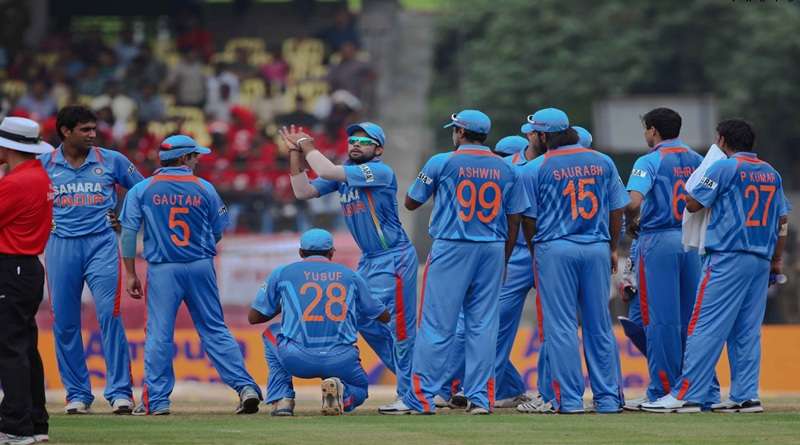
New Zealand Tour of India 2026: Complete Match Schedule, Venues, Teams and Series Preview The New Zealand tour of India
Read More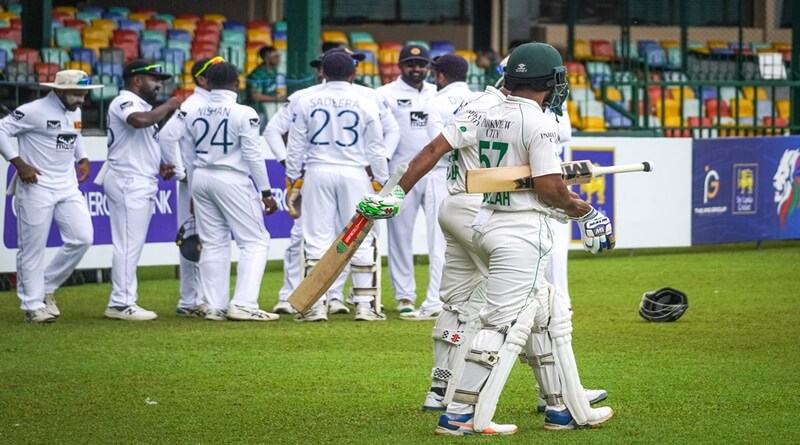
Pakistan Tour of Sri Lanka 2026: Full Match Schedule, Series Preview and Team Analysis The Pakistan tour of Sri Lanka
Read More