New Zealand Tour of India 2026 Schedule
New Zealand Tour of India 2026: Complete Match Schedule, Venues, Teams and Series Preview The New Zealand tour of India
Read More
Current trophy holders and series results for the most prestigious recurring ODI contests.
| Trophy Name | Contesting Teams | Year (Most Recent) | Current Holder | Series Result |
|---|---|---|---|---|
| Chappell-Hadlee Trophy | Australia vs New Zealand | 2025 | Australia | 2 – 0 |
| Freedom Trophy (ODI) | India vs South Africa | 2025 | South Africa | 2 – 1 |
| Ind-NZ Bilateral Series | India vs New Zealand | 2025 | India | 3 – 0 |
| Ind-Eng Bilateral Series | India vs England | 2024 | India | 2 – 1 |
| Pak-SA Bilateral Series | Pakistan vs South Africa | 2025 | Pakistan | 2 – 1 |
| Chappell-Hadlee (T20/ODI)* | Australia vs New Zealand | 2024 | Australia | 3 – 0 |
*Note: Since 2024, the Chappell-Hadlee Trophy is also contested during T20I series to increase frequency.
International bilateral ODI series are a cornerstone of modern limited-overs cricket. Played between two national teams in the One Day International format, these series combine strategic depth with fast-paced action, offering balanced competition across multiple matches.
ODI bilateral series have evolved into a critical component of the international calendar, providing teams with consistent exposure, ranking opportunities, and preparation for global tournaments.
From historic tours to contemporary three-match and five-match contests, ODI bilaterals continue to shape international cricket.
An international bilateral ODI series is a set of One Day International matches contested between two national teams under official ICC regulations. Each match consists of 50 overs per side.
These series are typically played as standalone ODI tours or as part of multi-format international tours.
Bilateral ODI series emphasize consistency, adaptability, and tactical execution.
ODI bilateral series emerged following the introduction of limited-overs cricket in the early 1970s. The format quickly gained popularity due to its time-bound structure and competitive balance.
As international scheduling expanded, bilateral ODI series became a regular feature, allowing teams to engage outside major tournaments.
Over decades, these series have produced iconic matches and rivalries.
Most bilateral ODI series consist of three to five matches, though longer series are occasionally scheduled between major cricketing nations.
Each match is played at a different venue, testing teams across varied pitch and weather conditions.
Series outcomes reward tactical consistency rather than one-off brilliance.
International bilateral ODI series serve as a key benchmark for team performance in limited-overs cricket. They provide regular competitive exposure against quality opposition.
Success in these series reflects squad depth, adaptability, and match awareness.
ODI bilaterals remain essential for maintaining cricketing standards outside tournaments.
Results from bilateral ODI series directly impact ICC ODI rankings, influencing tournament seedings and qualification pathways.
Teams rely on consistent bilateral performances to improve their global standing.
Rankings derived from ODI bilaterals help determine competitive balance in international cricket.
Home advantage plays a significant role in bilateral ODI series. Teams often tailor conditions to suit their playing strengths.
Away tours test adaptability, particularly in adjusting to pitch behavior and playing styles.
Winning an ODI series overseas is regarded as a strong indicator of team quality.
Bilateral ODI series provide opportunities for teams to rotate players, manage workloads, and test bench strength.
Young players often gain their first sustained international exposure through ODI bilaterals.
These series help selectors identify long-term squad combinations.
ODI bilateral series demand a balance between aggressive batting and disciplined bowling. Teams must plan powerplay strategies, middle-over control, and death-over execution.
Field placements and bowling rotations are critical to success.
The format rewards teams that maintain pressure across all phases of the match.
Bilateral ODI series attract broad audiences due to their one-day format and competitive narratives. Fans enjoy the clarity of results within a single day.
Television and digital broadcasting expand accessibility across regions.
ODI bilaterals remain popular among traditional and modern cricket audiences alike.
International bilateral ODI series generate revenue through sponsorships, broadcast rights, and matchday attendance.
These earnings support domestic cricket development and infrastructure projects.
Commercial success ensures the sustainability of limited-overs international cricket.
ODI bilateral series face challenges from crowded calendars and the growing popularity of T20 leagues.
Balancing ODI cricket with Tests and T20Is requires careful planning.
Cricket boards continue to adapt scheduling strategies to preserve ODI relevance.
The future of bilateral ODI series lies in strategic scheduling, competitive balance, and alignment with ICC tournament cycles.
Innovations in presentation and analytics are enhancing the viewer experience.
ODI bilaterals will continue to play a crucial role in international cricket’s ecosystem.
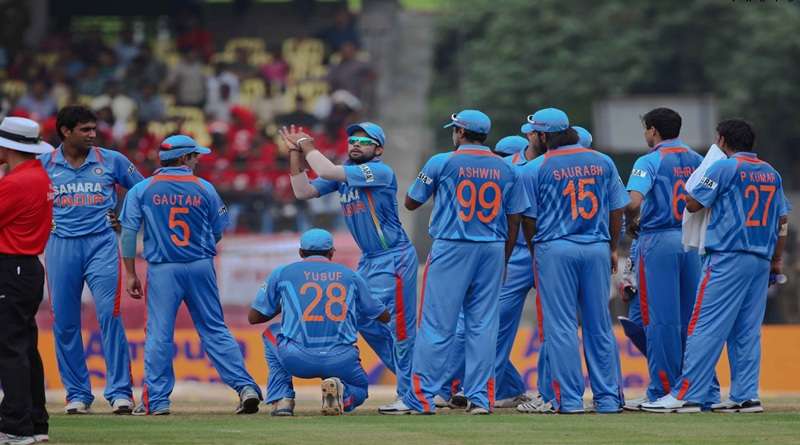
New Zealand Tour of India 2026: Complete Match Schedule, Venues, Teams and Series Preview The New Zealand tour of India
Read More