New Zealand Tour of India 2026 Schedule
New Zealand Tour of India 2026: Complete Match Schedule, Venues, Teams and Series Preview The New Zealand tour of India
Read More
Current series results and champions for the most high-profile T20 match-ups.
| Series/Trophy | Contesting Teams | Year | Winner | Series Result |
|---|---|---|---|---|
| Ind-SA T20 Series | India vs South Africa | 2025 | India | 3 – 1 |
| Chappell-Hadlee (T20) | Australia vs New Zealand | 2025 | Australia | 2 – 0 |
| Ind-Eng T20 Series | India vs England | 2025 | India | 4 – 1 |
| WI-NZ T20 Series | West Indies vs New Zealand | 2025 | New Zealand | 3 – 1 |
| Pak-SL T20 Series | Pakistan vs Sri Lanka | 2025 | Pakistan | 3 – 0 |
International bilateral T20 series represent the most dynamic and fast-paced format of international cricket. Played between two national teams in the Twenty20 International format, these series deliver high-intensity cricket within a compact timeframe.
T20 bilateral series have become a core component of the international calendar, offering entertainment-driven contests while serving strategic and developmental purposes for national teams.
From short two-match encounters to extended five-match series, bilateral T20 cricket continues to expand its global footprint.
An international bilateral T20 series is a collection of official Twenty20 International matches contested between two national teams under ICC regulations. Each match consists of 20 overs per side.
These series are often scheduled as standalone T20 tours or combined with Test and ODI series during international tours.
Bilateral T20 series emphasize adaptability, innovation, and aggressive cricketing strategies.
The growth of bilateral T20 series accelerated with the global popularity of the T20 format. Shorter match durations attracted new audiences and increased broadcast appeal.
National teams began using T20 bilaterals as testing grounds for modern cricketing tactics.
These series quickly became essential fixtures in international scheduling.
Most bilateral T20 series consist of two to five matches, often played across multiple venues within a short period.
The compact structure demands quick adjustments and squad flexibility.
Series outcomes are determined by consistency rather than isolated performances.
International bilateral T20 series allow teams to stay competitive in the shortest format outside major tournaments. They offer regular match practice and ranking opportunities.
These series are crucial for refining playing styles suited to modern limited-overs cricket.
Strong bilateral T20 performances often translate into tournament success.
Results from bilateral T20 series directly influence ICC T20I rankings, which determine seeding and qualification for global events.
Consistent performances in these series help teams maintain or improve their ranking positions.
Rankings also affect scheduling and competitive balance.
Bilateral T20 series provide the ideal platform for tactical experimentation. Teams test aggressive batting orders, bowling combinations, and innovative field placements.
Selectors often rotate squads to assess emerging players.
These series encourage creativity and adaptability.
Home conditions significantly influence bilateral T20 series. Pitch characteristics and boundary dimensions shape team strategies.
Away tours require quick acclimatization and strategic flexibility.
Successful away series wins highlight a team’s adaptability.
Bilateral T20 series attract large audiences due to their fast-paced nature and frequent scoring opportunities. Fans enjoy short, decisive contests.
Digital platforms and live streaming enhance global accessibility.
T20 bilaterals play a key role in expanding cricket’s fan base.
International bilateral T20 series are highly valuable commercially, generating revenue through broadcast rights, sponsorships, and digital partnerships.
These earnings support national cricket boards and grassroots programs.
The commercial success of T20 bilaterals strengthens cricket’s global ecosystem.
Despite popularity, bilateral T20 series face challenges such as fixture congestion and overlap with franchise leagues.
Balancing international commitments with domestic leagues requires careful planning.
Cricket boards continue to refine scheduling strategies.
The future of bilateral T20 series lies in strategic scheduling, global expansion, and innovation in presentation. Emerging cricketing nations are gaining more exposure through T20 bilaterals.
Advancements in analytics and fan engagement tools are enhancing match experiences.
Bilateral T20 series will remain a driving force in international cricket.
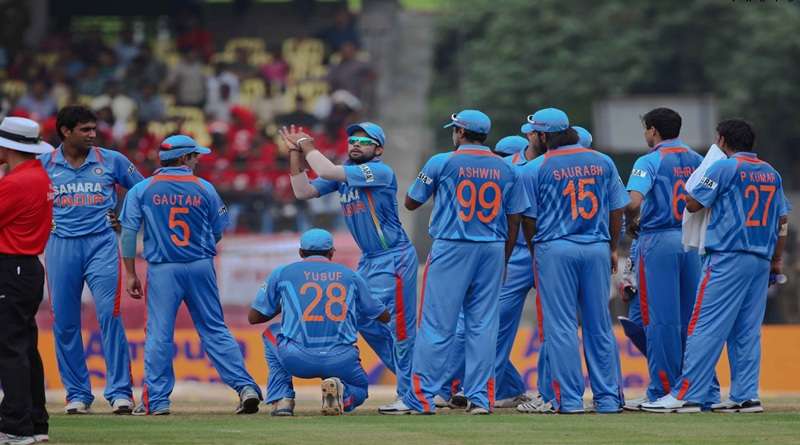
New Zealand Tour of India 2026: Complete Match Schedule, Venues, Teams and Series Preview The New Zealand tour of India
Read More