Sinhalese Sports Club Cricket Ground Pitch Report 2026 — Colombo, Sri Lanka
The Sinhalese Sports Club (SSC) Cricket Ground in Colombo remains one of Sri Lanka’s most iconic venues, known for producing
Read More
A complete chronological record of the world’s premier 50-over cricket tournament.
| Year | Host Nation(s) | Champion | Runner-Up | Winning Captain |
|---|---|---|---|---|
| 2023 | India | Australia | India | Pat Cummins |
| 2019 | England & Wales | England | New Zealand | Eoin Morgan |
| 2015 | Australia & New Zealand | Australia | New Zealand | Michael Clarke |
| 2011 | India, Sri Lanka, Bangladesh | India | Sri Lanka | MS Dhoni |
| 2007 | West Indies | Australia | Sri Lanka | Ricky Ponting |
| 2003 | South Africa, Zimbabwe, Kenya | Australia | India | Ricky Ponting |
| 1999 | England, Scotland, Ireland, Wales | Australia | Pakistan | Steve Waugh |
| 1996 | Pakistan, India, Sri Lanka | Sri Lanka | Australia | Arjuna Ranatunga |
| 1992 | Australia & New Zealand | Pakistan | England | Imran Khan |
| 1987 | India & Pakistan | Australia | England | Allan Border |
| 1983 | England & Wales | India | West Indies | Kapil Dev |
| 1979 | England | West Indies | England | Clive Lloyd |
| 1975 | England | West Indies | Australia | Clive Lloyd |
The ICC Men’s Cricket World Cup is the most prestigious tournament in One Day International (ODI) cricket. Organized by the International Cricket Council, the tournament brings together the world’s top national teams to compete for global supremacy in the 50-over format.
First held in 1975, the Men’s Cricket World Cup has evolved into one of the most watched sporting events worldwide. It has produced iconic matches, legendary players, and defining moments that have shaped the history of international cricket.
Winning the ICC Men’s Cricket World Cup is considered the ultimate achievement in ODI cricket.
The concept of a global ODI tournament emerged in the early 1970s, following the success of limited-overs cricket in England. The inaugural Cricket World Cup was hosted in England in 1975 and featured eight teams.
Played in traditional white clothing with red balls, the early editions laid the foundation for a tournament that would grow exponentially in scale and popularity.
From its inception, the World Cup aimed to bring international cricket into a competitive, tournament-based structure.
Over time, the ICC Men’s Cricket World Cup has undergone significant changes in format, presentation, and participation. Team numbers expanded, match rules evolved, and playing conditions adapted to modern demands.
The introduction of colored kits, white balls, day-night matches, and advanced broadcasting transformed the World Cup into a global spectacle.
Each era of the tournament reflects the evolution of ODI cricket itself.
The tournament format has varied across editions, including group stages, Super Six or Super Eight rounds, and knockout matches. The modern structure emphasizes balanced competition and high-pressure knockout encounters.
Teams qualify through ranking positions and qualification tournaments, ensuring competitive diversity.
This structure rewards consistency across the group stage while preserving the drama of elimination rounds.
The ICC Men’s Cricket World Cup features full-member nations and qualifying teams from associate regions. The qualification pathway ensures global representation while maintaining competitive standards.
Emerging teams often use the World Cup as a platform to showcase talent and challenge established cricketing nations.
This inclusive approach has contributed to the global growth of the game.
Several teams have established dominance in the Men’s Cricket World Cup through consistent performances across multiple editions. Championship victories often define golden eras for national sides.
Successful teams combine strong batting depth, disciplined bowling, and tactical awareness.
World Cup triumphs remain a defining measure of a team’s legacy in ODI cricket.
The ICC Men’s Cricket World Cup has delivered countless unforgettable moments. From dramatic finals to historic upsets, these matches have become part of cricket folklore.
Individual brilliance, team resilience, and high-pressure performances have produced memories that transcend generations.
These iconic moments contribute significantly to the tournament’s enduring appeal.
The World Cup has showcased some of the greatest players in cricket history. Performances on this stage often elevate players into legendary status.
Batting records, bowling milestones, and all-round excellence are closely followed and celebrated.
World Cup success is often seen as the pinnacle of an individual’s ODI career.
The ICC Men’s Cricket World Cup plays a vital role in promoting cricket worldwide. Hosting rights and participation opportunities help develop infrastructure and interest in emerging cricket nations.
The tournament’s visibility inspires new generations of players and fans across different regions.
Its influence extends beyond elite cricket into grassroots development.
The Men’s Cricket World Cup is a major commercial event, generating substantial revenue through broadcasting rights, sponsorships, and digital platforms.
Global media coverage elevates the sport’s profile and expands its audience reach.
Commercial success supports the long-term growth of international cricket.
Technological advancements have transformed the World Cup experience for players, officials, and fans. Decision review systems, analytics, and enhanced broadcasting have improved fairness and engagement.
Innovations continue to refine how matches are played and consumed.
These developments ensure the tournament remains modern and accessible.
The ICC Men’s Cricket World Cup represents the highest level of achievement in ODI cricket. It combines elite competition, global representation, and unmatched prestige.
Every edition adds new chapters to cricket’s history, reinforcing the tournament’s legendary status.
The Men’s Cricket World Cup continues to define excellence in international cricket.
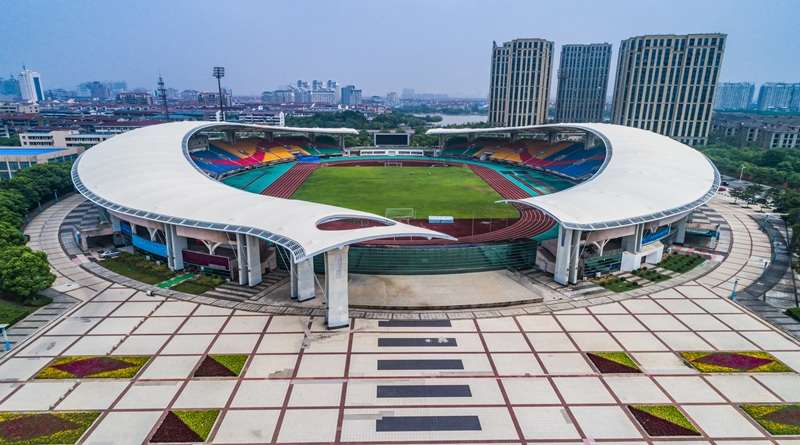
The Sinhalese Sports Club (SSC) Cricket Ground in Colombo remains one of Sri Lanka’s most iconic venues, known for producing
Read More