Pallekele International Cricket Stadium Pitch Report, 2026 — Kandy, Sri Lanka
The Pallekele International Cricket Stadium in Kandy, Sri Lanka, is one of the premier venues for international cricket and a
Read More
A chronological record of the world’s most explosive T20 international tournament.
| Year | Host Nation(s) | Champion | Runner-Up | Winning Captain |
|---|---|---|---|---|
| 2026 | India & Sri Lanka | Scheduled: Feb 7 – Mar 8, 2026 | ||
| 2024 | West Indies & USA | India | South Africa | Rohit Sharma |
| 2022 | Australia | England | Pakistan | Jos Buttler |
| 2021 | UAE & Oman | Australia | New Zealand | Aaron Finch |
| 2016 | India | West Indies | England | Darren Sammy |
| 2014 | Bangladesh | Sri Lanka | India | Lasith Malinga |
| 2012 | Sri Lanka | West Indies | Sri Lanka | Darren Sammy |
| 2010 | West Indies | England | Australia | Paul Collingwood |
| 2009 | England | Pakistan | Sri Lanka | Younis Khan |
| 2007 | South Africa | India | Pakistan | MS Dhoni |
The ICC Men’s T20 World Cup is the premier international tournament for Twenty20 cricket, bringing together the world’s top national teams in the shortest and most explosive format of the game. Governed by the International Cricket Council (ICC), the tournament has redefined how cricket is played, watched, and consumed globally.
Since its launch in 2007, the ICC Men’s T20 World Cup has become one of the most popular sporting events worldwide, known for fast-paced matches, high-scoring contests, and dramatic finishes.
Winning the Men’s T20 World Cup is considered the ultimate achievement in international T20 cricket.
The ICC introduced the T20 World Cup following the rapid rise of Twenty20 cricket in domestic leagues and international fixtures. The inaugural tournament was hosted in South Africa in 2007 and immediately captured global attention.
Unlike traditional formats, T20 cricket emphasized power-hitting, innovative bowling, and aggressive strategies, appealing to new audiences and younger fans.
The success of the first edition cemented T20 cricket as a permanent pillar of the international calendar.
The ICC Men’s T20 World Cup has evolved significantly since its inception. Early editions featured fewer teams and a straightforward structure, while later tournaments expanded participation and refined competition formats.
Changes in rules, scheduling, and qualification systems ensured greater competitiveness and global representation.
Each edition reflects how T20 cricket continues to adapt to modern playing styles and fan expectations.
The tournament typically consists of group stages followed by Super rounds and knockout matches. Teams compete in round-robin formats before progressing to high-pressure semifinals and finals.
The compact nature of T20 cricket allows multiple matches in a short span, increasing excitement and viewer engagement.
This structure rewards consistency while preserving the unpredictability that defines the T20 format.
Teams qualify for the ICC Men’s T20 World Cup through a combination of automatic qualification and regional qualifying tournaments. This system ensures that both established and emerging cricketing nations have opportunities to compete.
Associate nations often use the tournament as a platform to challenge traditional powerhouses and gain international recognition.
The inclusive qualification pathway has played a crucial role in expanding cricket’s global footprint.
Several teams have left a lasting mark on the Men’s T20 World Cup through championship victories and consistent performances. Success in this tournament often reflects adaptability, tactical innovation, and mental resilience.
Unlike longer formats, T20 World Cups frequently witness new champions and unexpected finalists.
This competitive balance contributes to the tournament’s unique appeal.
The ICC Men’s T20 World Cup has produced countless unforgettable moments, including last-over thrillers, dramatic upsets, and record-breaking performances.
These high-intensity matches often redefine player reputations and shape cricketing narratives.
Iconic moments from the tournament remain etched in the memories of fans worldwide.
Many players have built their international legacy through standout performances in the Men’s T20 World Cup. Explosive batting innings, match-winning spells, and clutch performances under pressure define greatness in this format.
Individual records in T20 World Cups are closely followed and frequently broken due to the evolving nature of the game.
Performing on the World Cup stage remains a career-defining achievement.
The ICC Men’s T20 World Cup has played a significant role in shaping the modern cricket ecosystem. It accelerated the growth of domestic T20 leagues and influenced how international teams approach limited-overs cricket.
The tournament’s success has inspired new cricketing nations to invest in the shorter format.
Its influence extends beyond competition into coaching, analytics, and talent development.
The Men’s T20 World Cup is a major commercial property, attracting global sponsors, broadcasters, and digital audiences. Its shorter match durations make it ideal for prime-time viewing and global consumption.
Digital streaming platforms and social media coverage have further expanded its reach.
Commercial success ensures sustained investment in international cricket.
Advanced technologies such as decision review systems, performance analytics, and immersive broadcast features have enhanced the T20 World Cup experience.
Fan engagement through real-time data, interactive platforms, and global digital access continues to grow.
Innovation keeps the tournament aligned with modern sports entertainment standards.
The ICC Men’s T20 World Cup represents the perfect blend of athleticism, entertainment, and global competition. It reflects the modern evolution of cricket while maintaining international prestige.
Each edition reshapes strategies, creates new heroes, and attracts millions of new fans.
The tournament remains a cornerstone of contemporary international cricket.
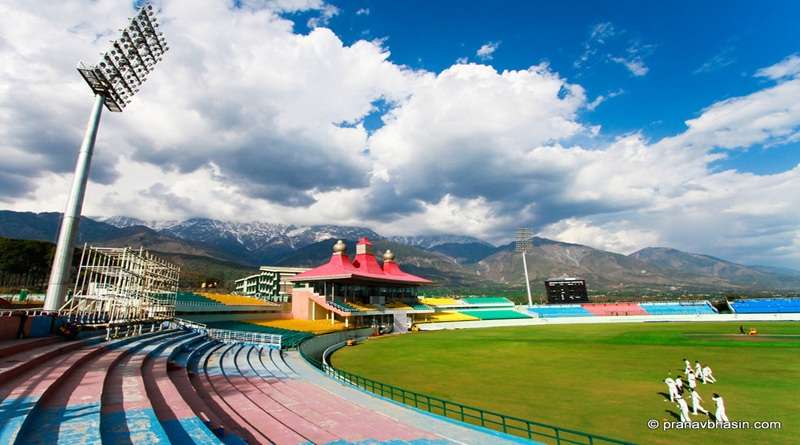
The Pallekele International Cricket Stadium in Kandy, Sri Lanka, is one of the premier venues for international cricket and a
Read More
ICC T20 World Cup 2026 Host Country Overview The ICC T20 World Cup 2026 host country announcement created massive excitement
Read More
ICC MEN’S T20 WORLD CUP 2026 Date Match Details Teams Venue SATURDAY, FEBRUARY 07 05:30 GMT 1st Match (Grp A)
Read More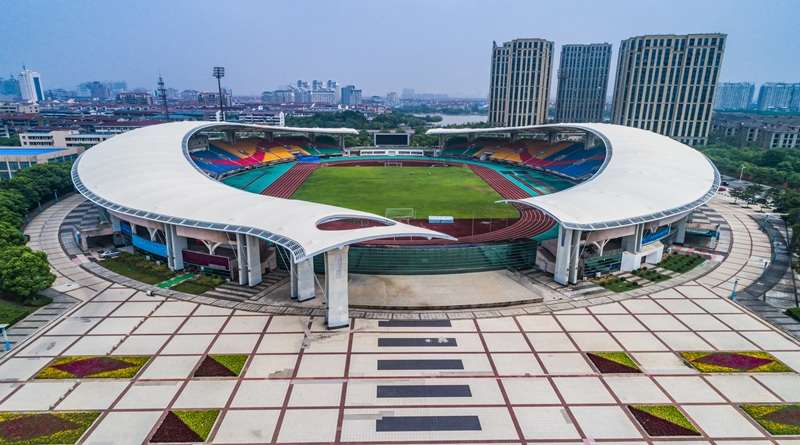
The Sinhalese Sports Club (SSC) Cricket Ground in Colombo remains one of Sri Lanka’s most iconic venues, known for producing
Read More